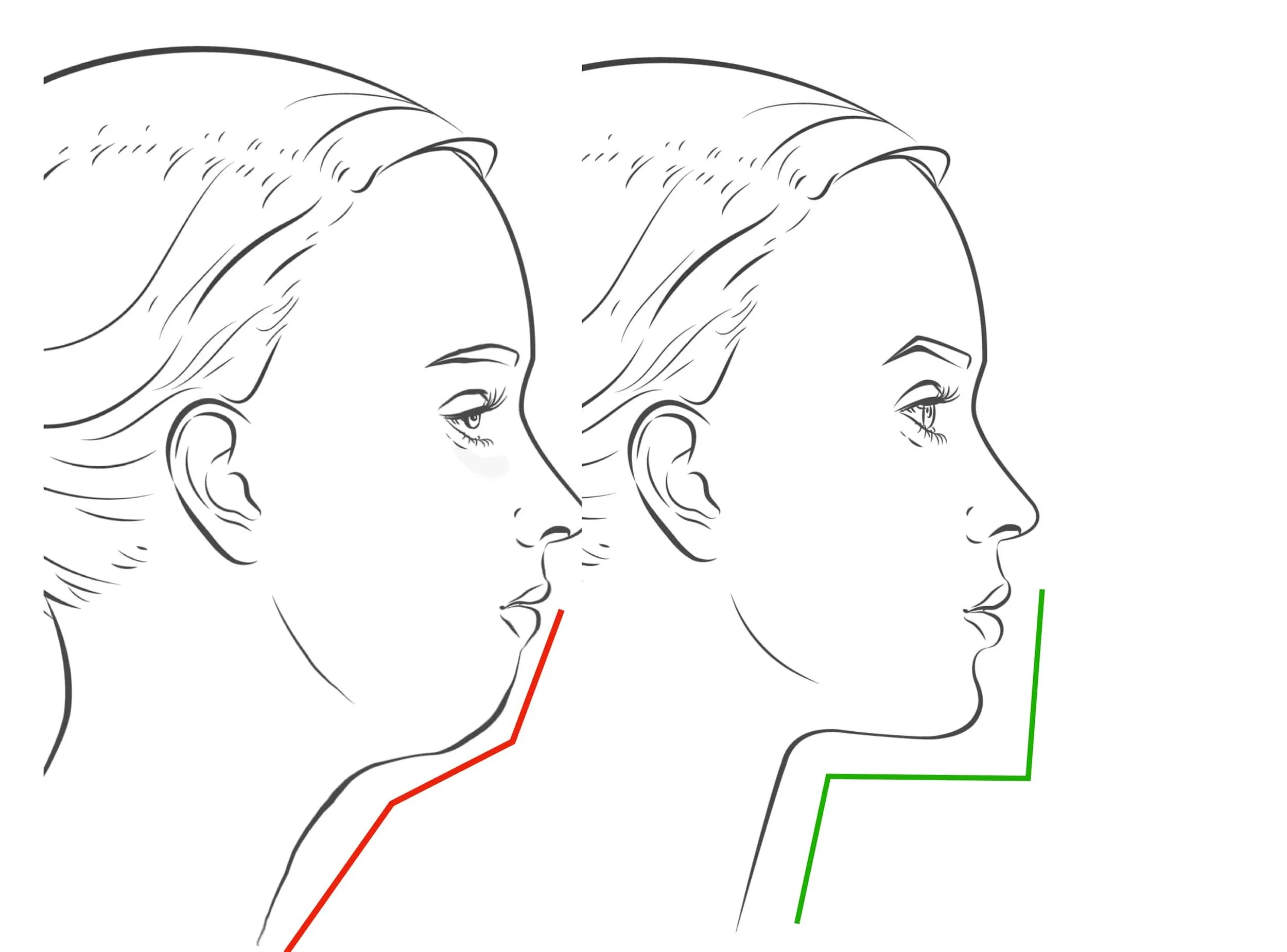
Does Mewing really work?
Mewing is myofunctional therapy with a new name. It works while the jaws are still growing, so it will not reshape an adult's face. What actually influences jaw development at each age, and what adults can do instead.

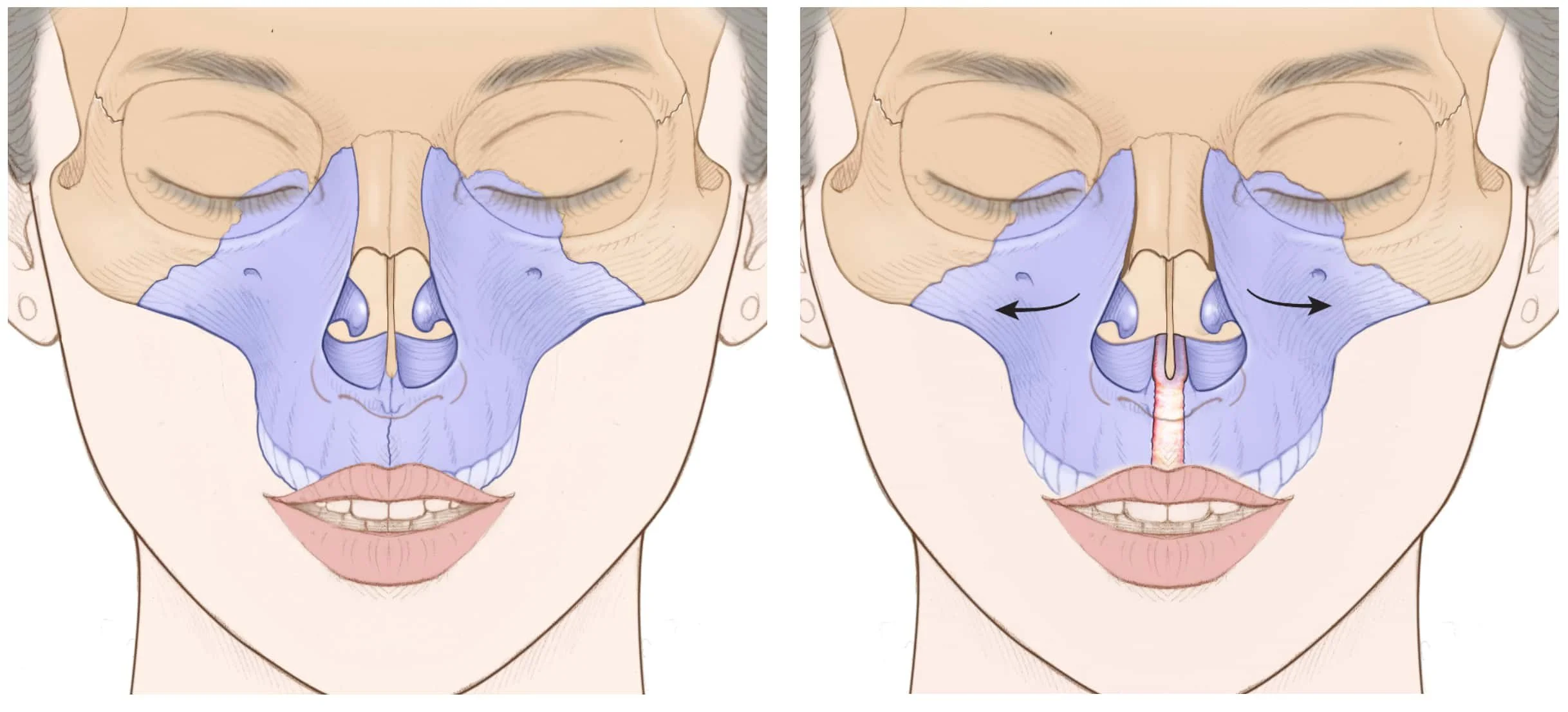
DOMEzero - Upper Jaw Expansion Without a Gap
DOME ZERO is revolutionizing maxillary expansion:
Thanks to modern mini-implants and their combination with aligners, gentle, controlled expansion without a visible gap between the teeth is now possible. Compared to traditional methods, this means greater comfort, fewer side effects, and a treatment that is aesthetically unobtrusive—while also delivering improved functional results for breathing, sleep, and bite.

What is right for me: MARPE, MSE, DOME, MASPE, RPE, SARPE, … ?
Various terms such as MARPE, MSE, MASPE, or DOME essentially describe the same goal: the skeletal expansion of the upper jaw, not merely the widening of the dental arch. While such expansions were previously only possible in children, mini-implants now allow adolescents and adults to achieve effective palatal suture opening – usually slowly and gently (MASPE).
If expansion cannot be achieved solely with mini-implants, surgical support techniques like SARPE or DOME can help reduce the resistance of the upper jaw. Which method is suitable depends heavily on the individual patient.
DOME focuses on the result: transforming a high, narrow palate into a functional dome shape – for more space for the tongue and improved nasal breathing. The latest development, DOMExD, simultaneously allows for expansion and closure of the resulting gap between teeth.

How mouth breathing affects your child’s health
Keyan struggled for years with nasal obstruction, mouth breathing, bronchitis, snoring, and restless sleep. After many unsuccessful treatments, the underlying cause was finally identified: a narrow upper jaw that could not support healthy nasal breathing or proper tongue posture.
Through myofunctional therapy, Keyan learned to position his tongue correctly. Together with maxillary expansion and aligner treatment, his airway and facial development improved dramatically.
Today he sleeps quietly, breathes through his nose, has more energy, and his facial features look healthier and more balanced. His journey shows how powerful the combination of expansion and myofunctional therapy can be for a child’s breathing and overall wellbeing.

Alternative to Jaw Surgery: Modern Paths to a Broad Smile
Thanks to new methods, upper jaw expansion can often be achieved without 'jaw surgery.' The result: a broader smile, teeth that fit well together, and improved nasal breathing.

Why Nasal Breathing Can Improve Your Well-being
Nasal breathing improves sleep, concentration, and well-being. Mouth breathing, on the other hand, can lead to daytime fatigue, cavities, and even changes in facial structure. The cause is often a too-narrow upper jaw — with modern orthodontics, nasal breathing can be specifically improved.

Jaw joint clicking – harmless or a warning sign?
Jaw Joint Clicking – Harmless or a Warning Sign?
Clicking in the jaw joint when chewing or yawning indicates that the chewing system is out of balance. Common causes include teeth grinding, a too-narrow upper jaw, an incorrect bite, or excessive strain. If left untreated, it can lead to damage to the joint, muscles, and teeth.
Treatment is individualized, often starting with bite splints. Long-term, the bite is adjusted and the jaw position is harmonized – with orthodontic measures if necessary. The goal is a permanently pain-free, stable chewing system.

Snoring – harmless or a health concern?
Snoring – harmless or a health concern?
Occasional snoring is usually harmless. It becomes problematic when it occurs regularly, is very loud, or is accompanied by daytime fatigue and breathing pauses – in which case, oxygen supply during sleep may be disrupted. Causes are often narrowed airways, such as from a tongue falling back, narrow nasal passages, relaxed throat muscles, enlarged tonsils, or a recessed lower jaw.
Therapy Options range from snoring splints and muscle training to upper jaw expansion and ENT procedures, as well as surgical measures or mouth taping.
Conclusion: A targeted diagnosis helps to find the cause and improve sleep.
Book an Appointment
Vienna
Schottengasse 4/34, 1010 Vienna
Tel: +43 1 5353111
Practice Hours:
Tue: 9:00 AM - 4:00 PM
Thu: 9:00 AM - 6:00 PM
Fri: 8:30 AM - 1:30 PM