
Sleep Breathing
Breathing:
Restorative sleep is the foundation upon which our health is built. Breathing during sleep should be silent and effortless through the nose. The mouth, nose, and jaw are part of the upper airways and can be positively influenced by orthodontic treatment. Such treatments can help widen constricted areas, improve nasal breathing, and optimize airway function.
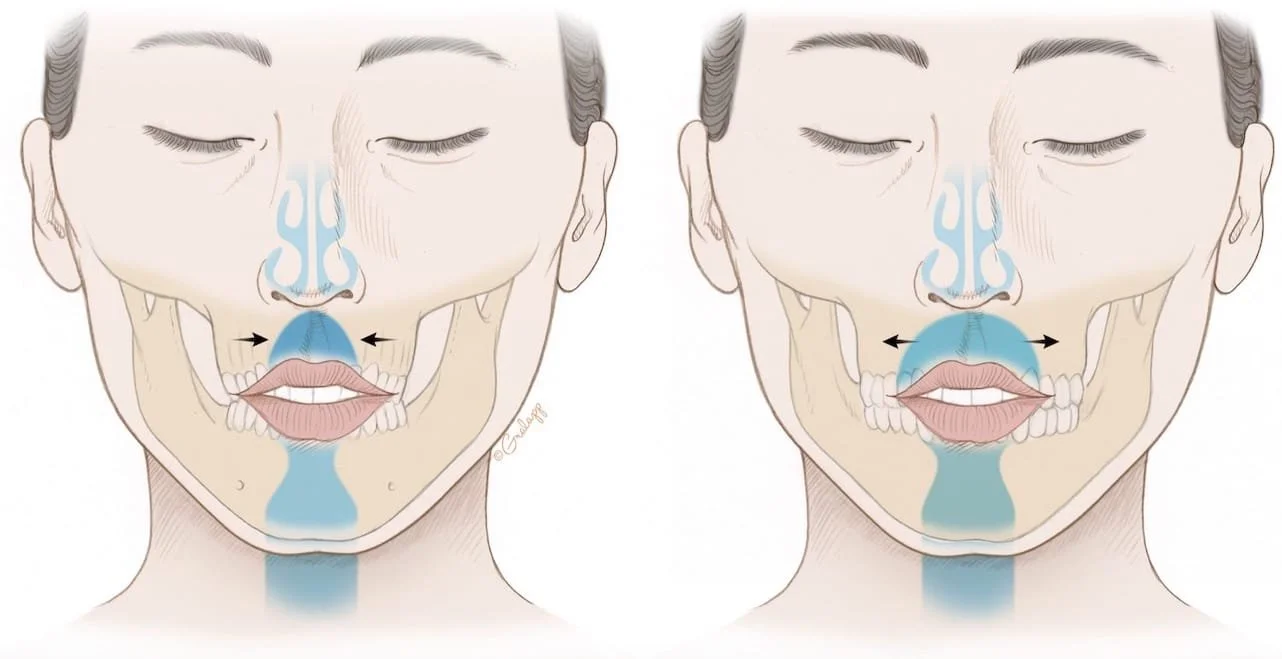
Mechanism:
In cases of underdeveloped jaws, the airways are often narrowed, making nasal breathing difficult. The body then switches to mouth breathing, which requires more energy and bypasses the nose's natural filtering function. This can impair sleep quality and negatively affect overall health.
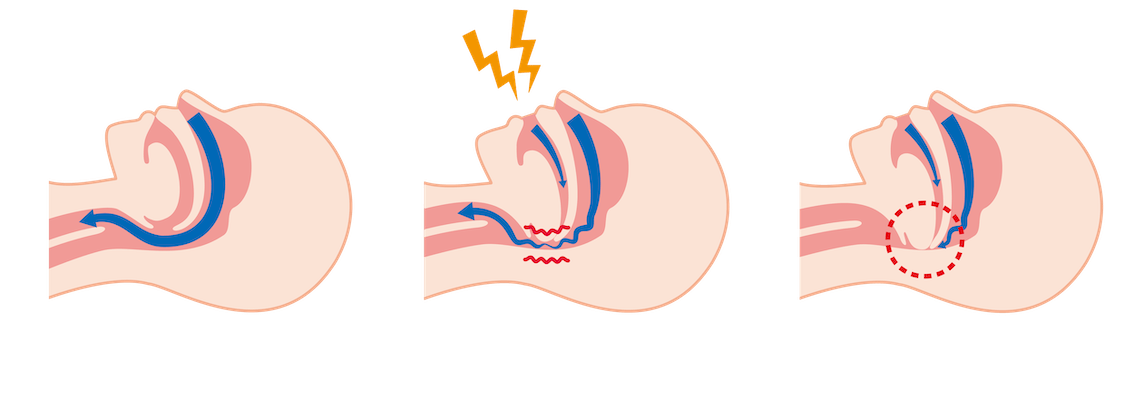
Consequences:
Non-restorative sleep due to increased breathing effort can have significant health consequences. The body remains in a state of heightened exertion, which can lead to chronic fatigue, concentration problems, and a weakened immune system. In the long term, the risk of cardiovascular diseases, metabolic disorders, and psychological burdens such as stress and depression increases.
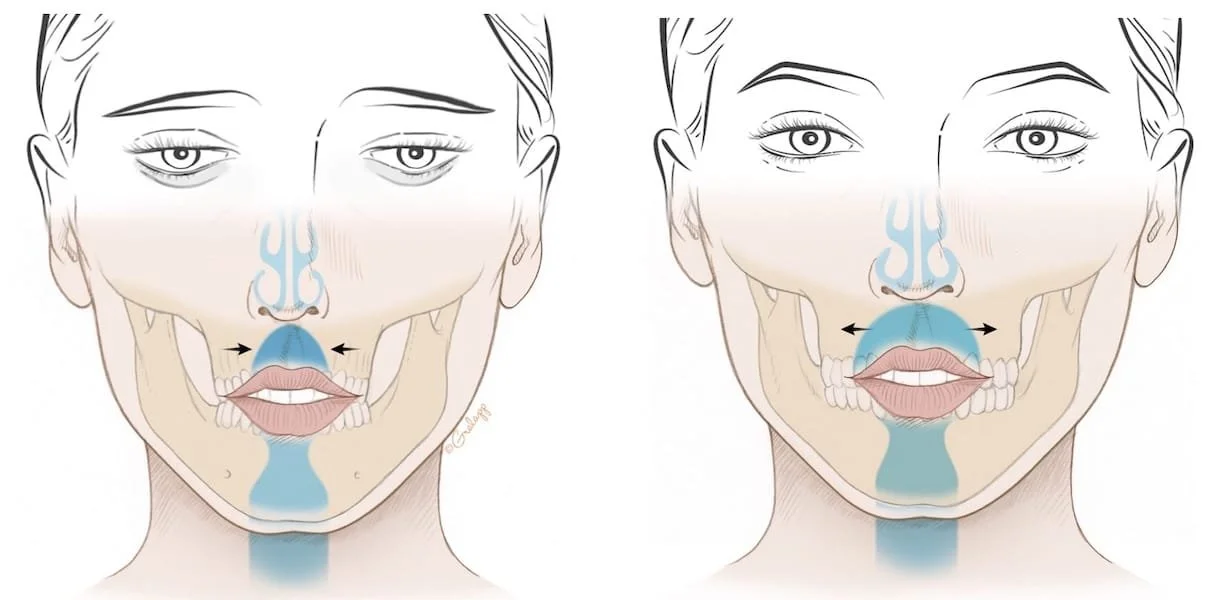
Treatment:
To find the right treatment, the cause of breathing problems must first be accurately diagnosed. An interdisciplinary approach involving ENT specialists, sleep physicians, and myofunctional therapists is crucial. Depending on the findings, symptom-relieving measures such as snoring splints or cause-oriented therapies like DOME, orthognathic surgery, or a lingual frenectomy may be used.
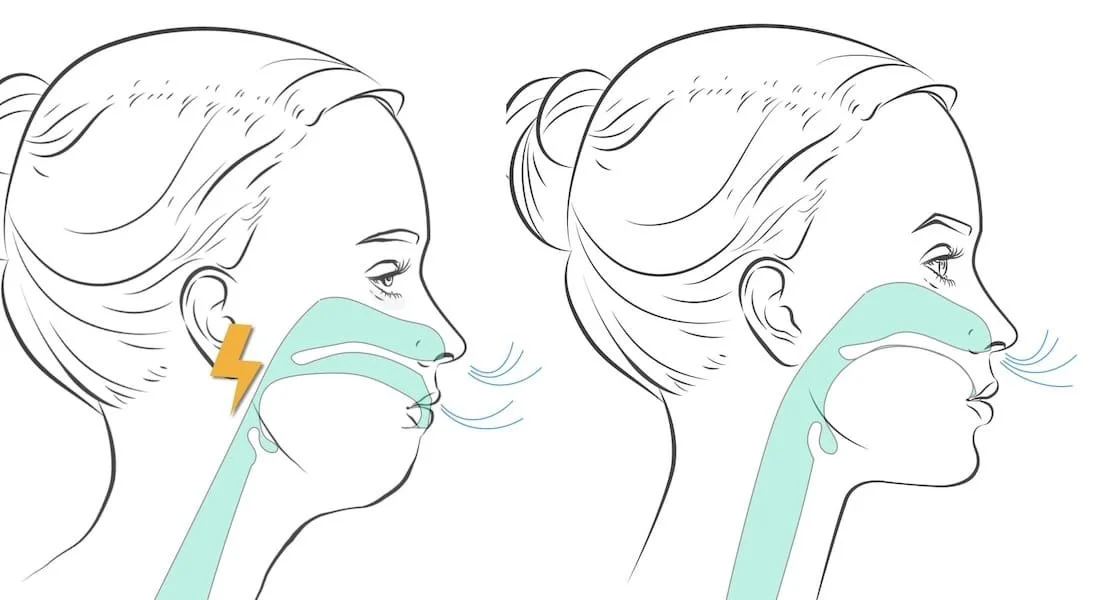
DOME (Maxillary Expansion)
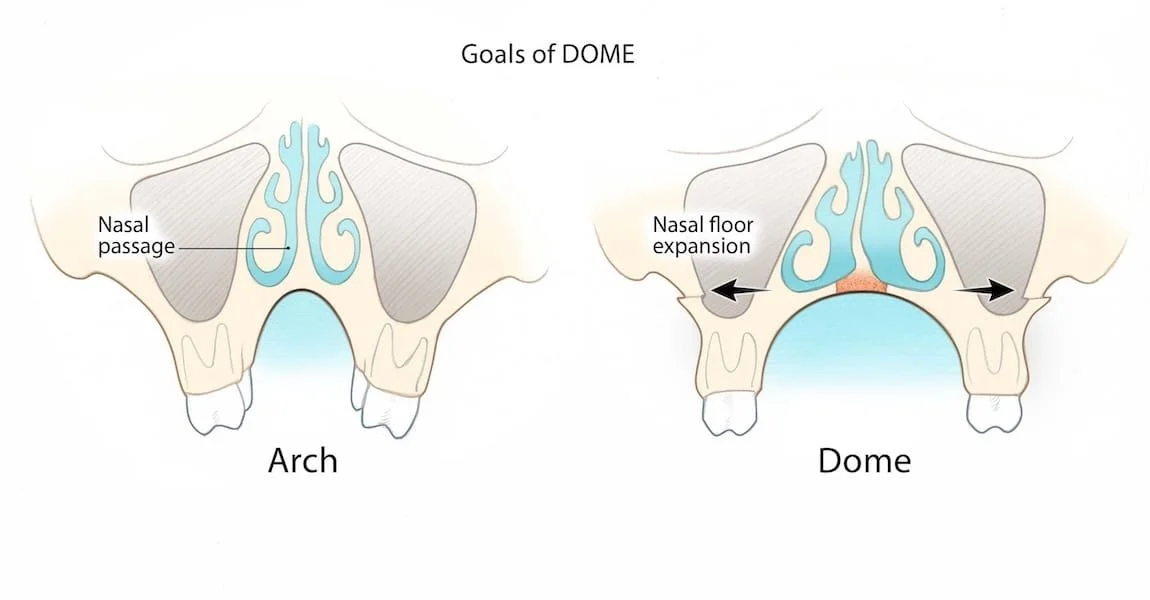
DOME (Distraction Osteogenesis Maxillary Expansion) is a modern method for expanding the upper jaw, particularly used in adults with a narrow, high-arched palate. By expanding the palate, breathing is improved as more space is created in the nasal passages and airflow is optimized. This can alleviate sleep problems such as obstructive sleep apnea and sustainably enhance sleep quality. DOME is particularly suitable for patients who do not respond well to conventional therapies like CPAP.
Snoring Splint
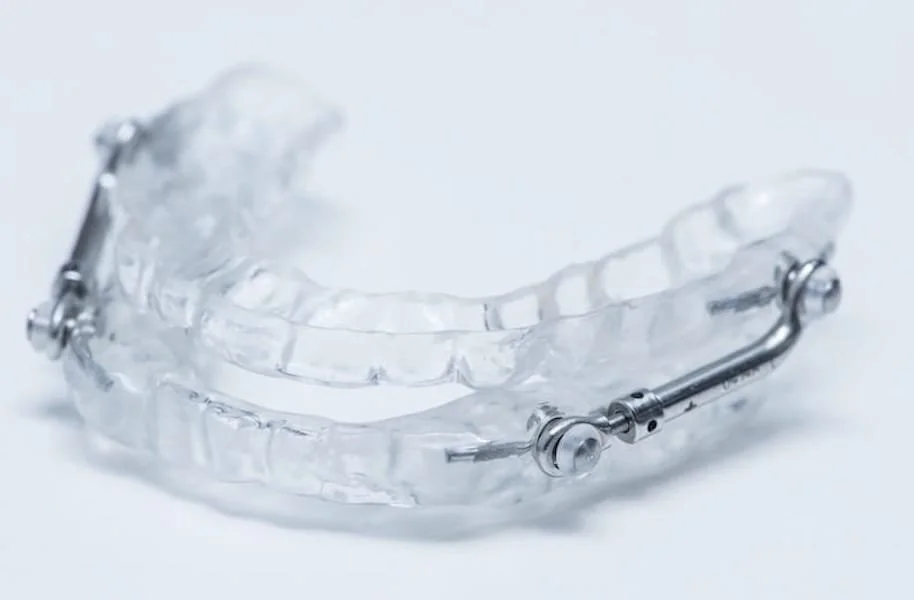
A snoring splint repositions the lower jaw forward, thereby opening the airways and improving airflow. During sleep, the muscles in the throat relax, which can lead to a narrowing of the airways. Air then has to flow through this narrower passage, creating vibrations in the soft tissues such as the palate and uvula – and these vibrations are responsible for the characteristic snoring sound.
Grinding splint
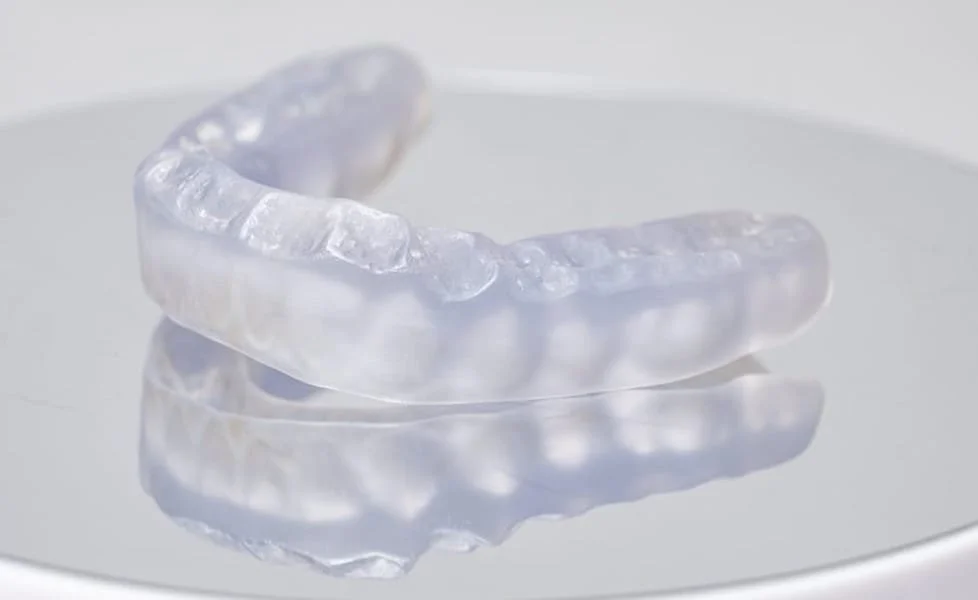
A grinding splint is used for bruxism (teeth grinding) to protect teeth and jaw joints. Possible causes of bruxism include occlusal interferences (improper tooth contacts), psychological factors such as stress or anxiety, and breathing problems during sleep. The custom-made splint helps reduce pressure on the jaw joint and alleviate discomfort.

Book an Appointment
Vienna
Schottengasse 4/34, 1010 Vienna
Tel: +43 1 5353111
Practice Hours:
Tue: 9:00 AM - 4:00 PM
Thu: 9:00 AM - 6:00 PM
Fri: 8:30 AM - 1:30 PM