DOME
What is DOME?
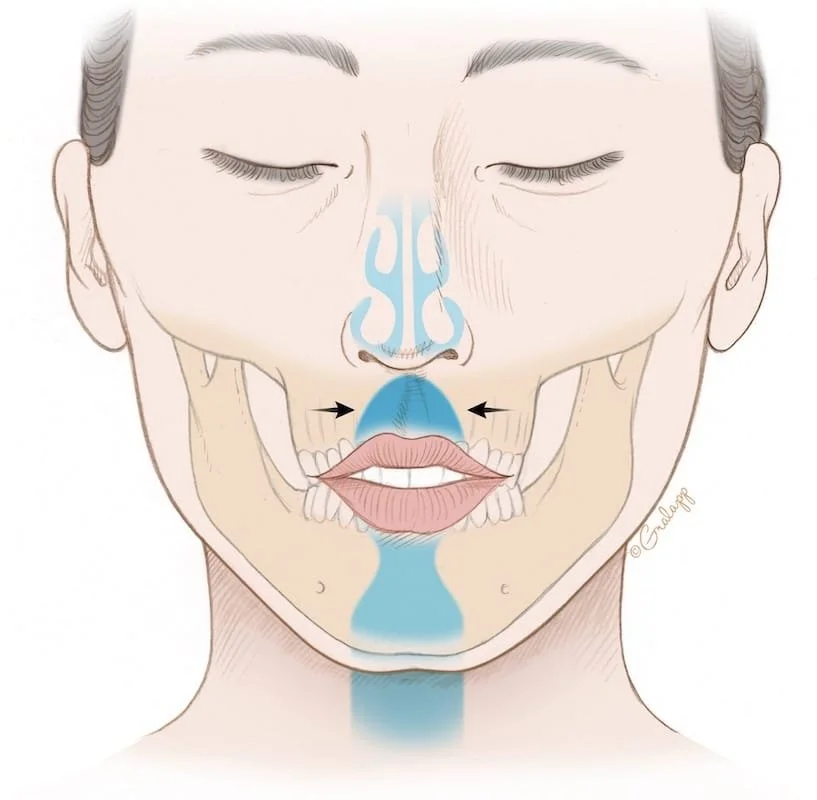
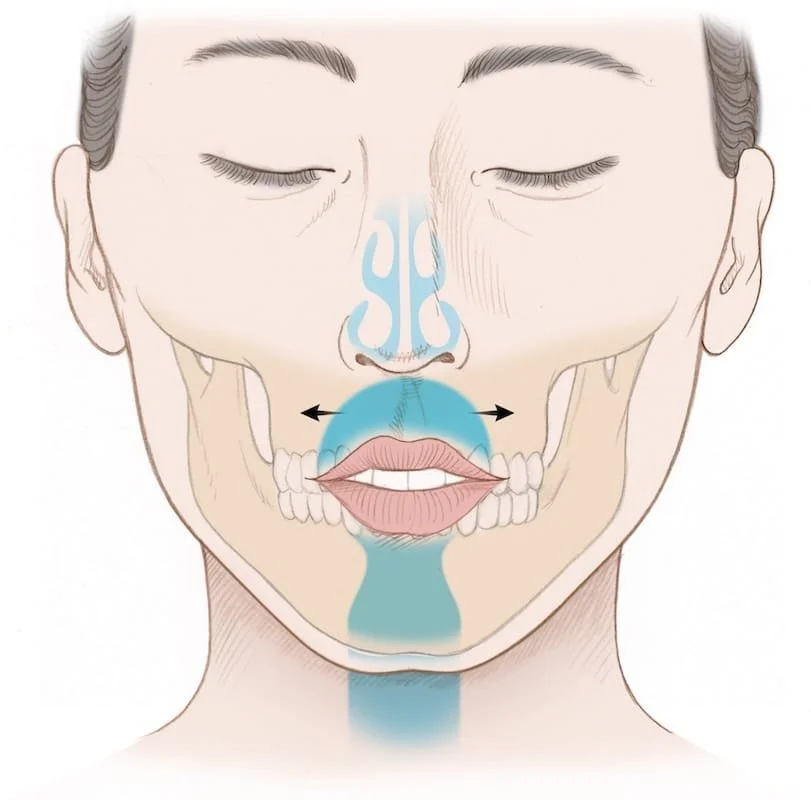
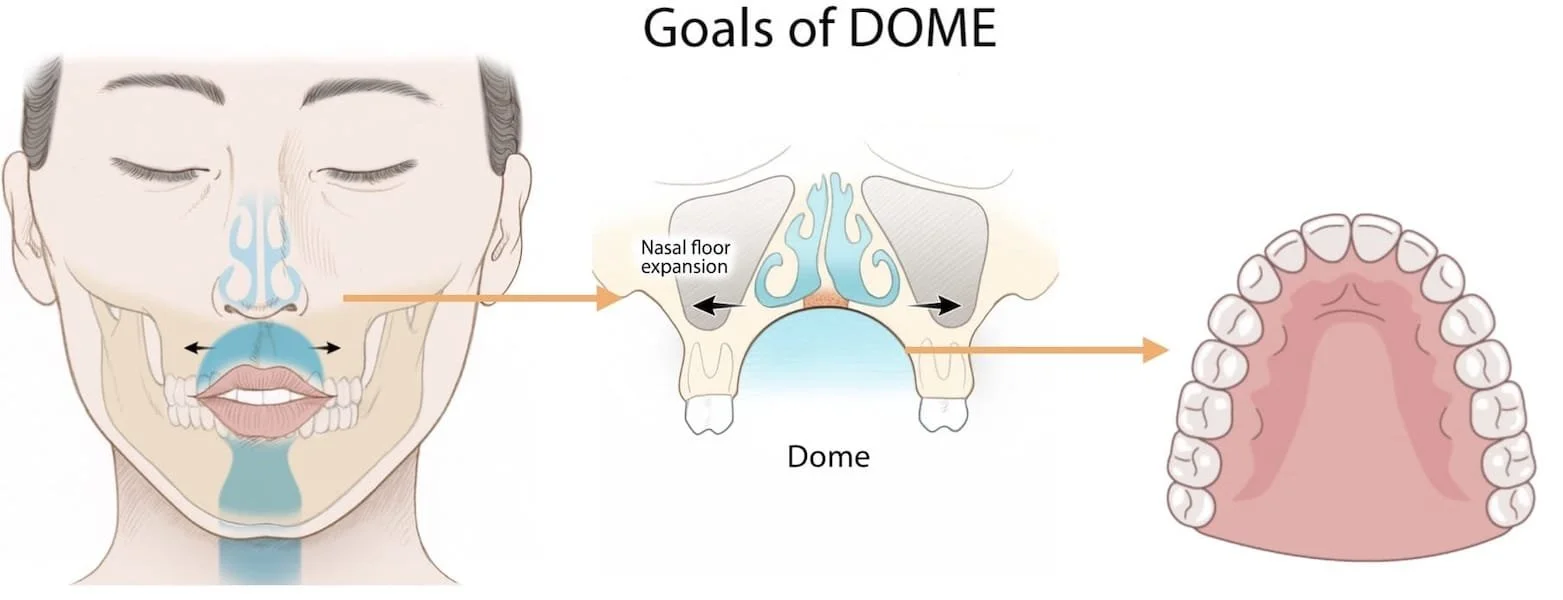
DOME, or Distraction Osteogenesis Maxillary Expansion, is a modern method used to gently and gradually widen the upper jaw. The goal is to open the nasal passages and promote airway stability. This improves breathing – especially during sleep – and can reduce problems like snoring or breathing pauses (sleep apnea).
How does DOME work?
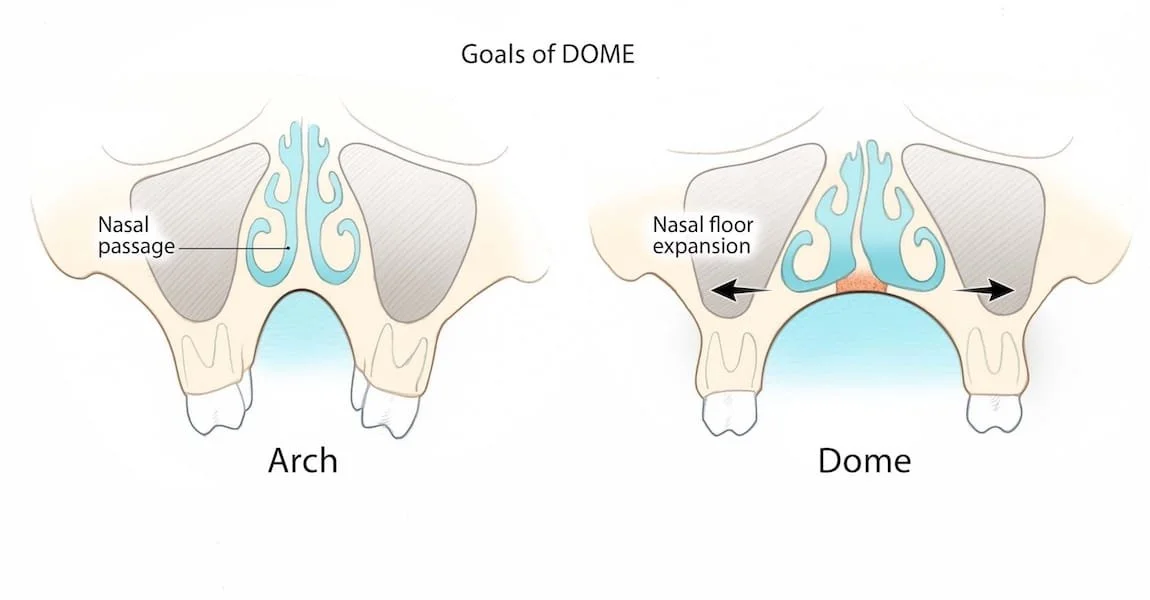
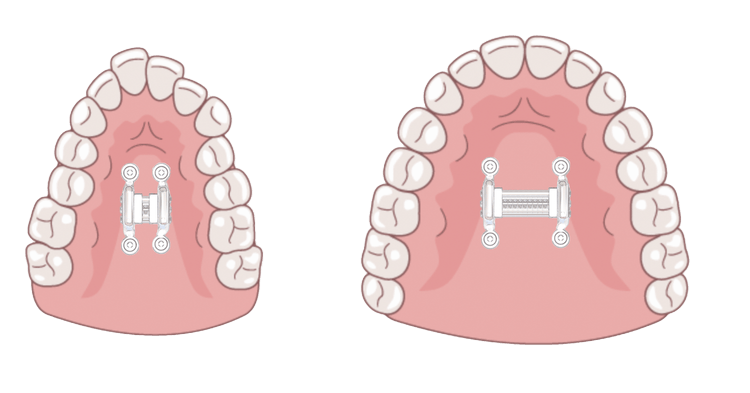
DOME works by gradually expanding the upper jaw using a custom-made expander anchored directly in the jawbone. New bone forms in the center, filling the created space. This process ensures a stable and lasting improvement in jaw structure and nasal breathing.
Why is it important?
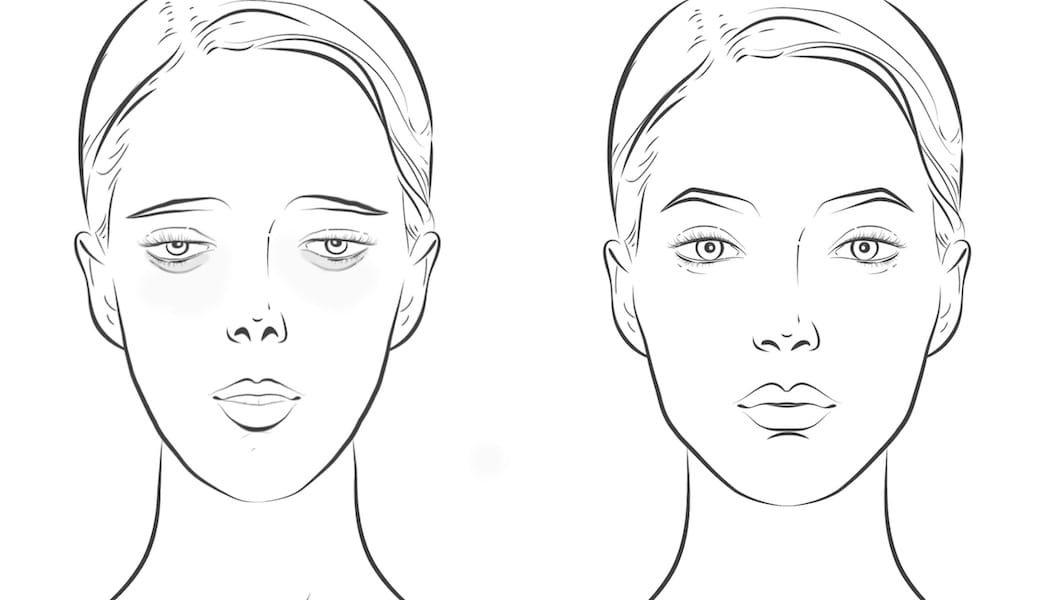
Perhaps you've experienced this yourself: when your nose is blocked, breathing becomes difficult. This becomes even more burdensome during sleep, as the body often switches to mouth breathing. This leads to snoring, poor sleep quality, and can leave you feeling tired and unfocused during the day. For people with persistently narrow nasal passages, this is a daily challenge – and this is exactly where DOME comes in.
What is right for me: DOME, MARPE, MASPE, SARPE?
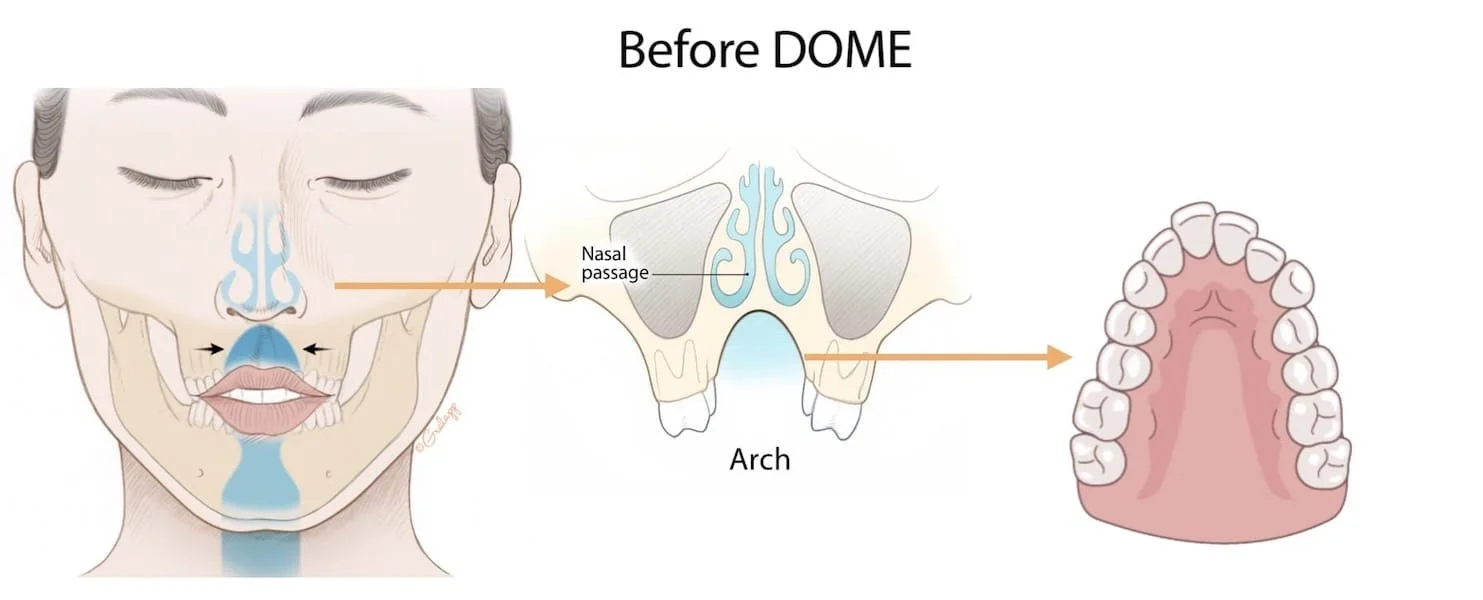
All acronyms describe the same principle: skeletal expansion of the upper jaw using slightly different techniques. Treatment should be tailored to your individual needs and circumstances, which is why Dr. Pinter prefers to use the term DOME. According to the author of this concept, Dr. Stanley Liu, DOME emphasizes the RESULT for the patient, not the technique. It means transforming a high, narrow palate into a functional dome-shaped palate that provides enough space for the tongue and improves nasal breathing.
Benefits
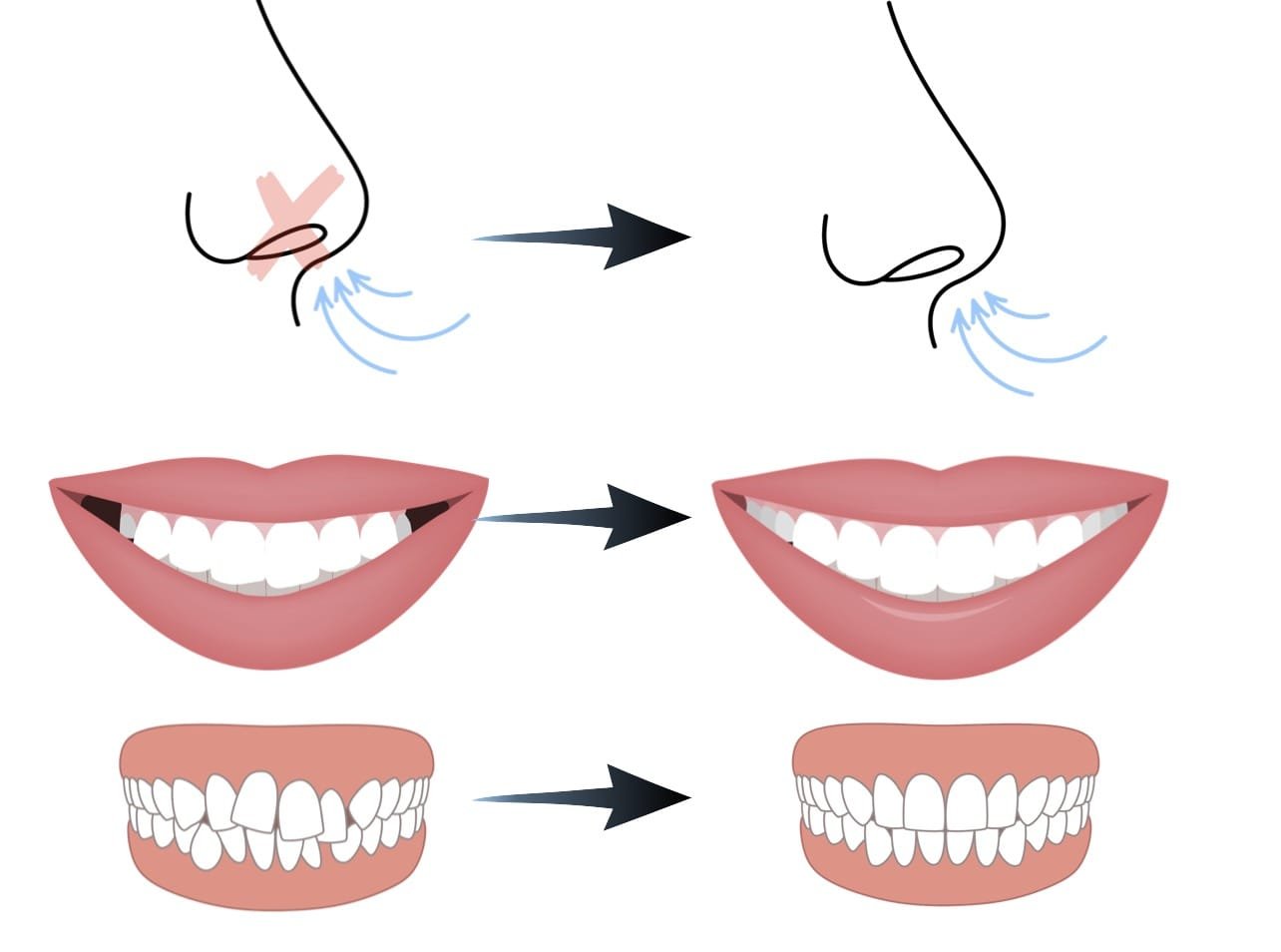
By expanding the upper jaw, DOME improves nasal breathing, promotes restful sleep, and simultaneously contributes to respiratory health and an improved quality of life. Additionally, tooth alignment and bite can be corrected, offering aesthetic and functional benefits.

Am I suitable for DOME?
A narrow upper jaw and the associated difficult nasal breathing are ideally corrected at a young age, as treatment becomes more complex with increasing age. However, DOME is also possible for adults – often even without surgical bone cuts.
Adults who particularly benefit include those who:
wish to improve their nasal breathing,
desire a wider, more aesthetic smile,
want to alleviate sleep-related breathing disorders such as snoring or sleep apnea,
are looking for an alternative to CPAP therapy or a snoring splint.
Whether DOME is suitable for you will be determined through a comprehensive examination and diagnosis, usually in close consultation with specialists relevant to the treatment.
Frequently Asked Questions
-
The actual expansion of the upper jaw is usually perceived as pressure or a slight pulling sensation, but in most cases, it is not painful. If discomfort occurs, it can be alleviated with pain medication, but severe pain is rare.
-
The placement of the anchors for the expander is generally well-tolerated. During the procedure itself, a local anesthetic is used, so no pain occurs. Afterward, there might be a slight feeling of pressure or headaches, but these quickly subside and can be effectively relieved with pain tablets.
-
Thanks to the expander being anchored directly in the upper jawbone, the upper jaw can be expanded slowly and controllably. Simultaneously, clear aligners move the teeth into the area where new bone has already formed. This keeps the front teeth together, preventing a large gap from forming.
-
Upper jaw expansion typically takes 4 to 8 months. This is followed by a phase where the bite (occlusion) is precisely adjusted and optimized to ensure optimal jaw function and stability. The total treatment time can be estimated at approximately 2 years (may vary individually).
-
Whether bone cuts are necessary cannot always be reliably predicted. After the pubertal growth spurt, the sutures of the upper jaw are often fused, but the degree of fusion varies from person to person. In some cases, opening without bone cuts can be achieved through targeted stimulation of the sutures (for example, by polycyclic activation of the expander).
-
After the anchors are placed, you should relax for the rest of the day and avoid strenuous activities. If bone incisions were made, you should follow your doctor's recommendations. Depending on the procedure, most patients are fully functional again the next day.
-
After successful expansion, the expander usually remains in the mouth for another 9 to 12 months until the newly formed bone is fully mineralized. This prevents relapse and ensures that the upper jaw remains stable.

Book an Appointment
Vienna
Schottengasse 4/34, 1010 Vienna
Tel: +43 1 5353111
Practice Hours:
Tue: 9:00 AM - 4:00 PM
Thu: 9:00 AM - 6:00 PM
Fri: 8:30 AM - 1:30 PM