DOME
What is DOME?
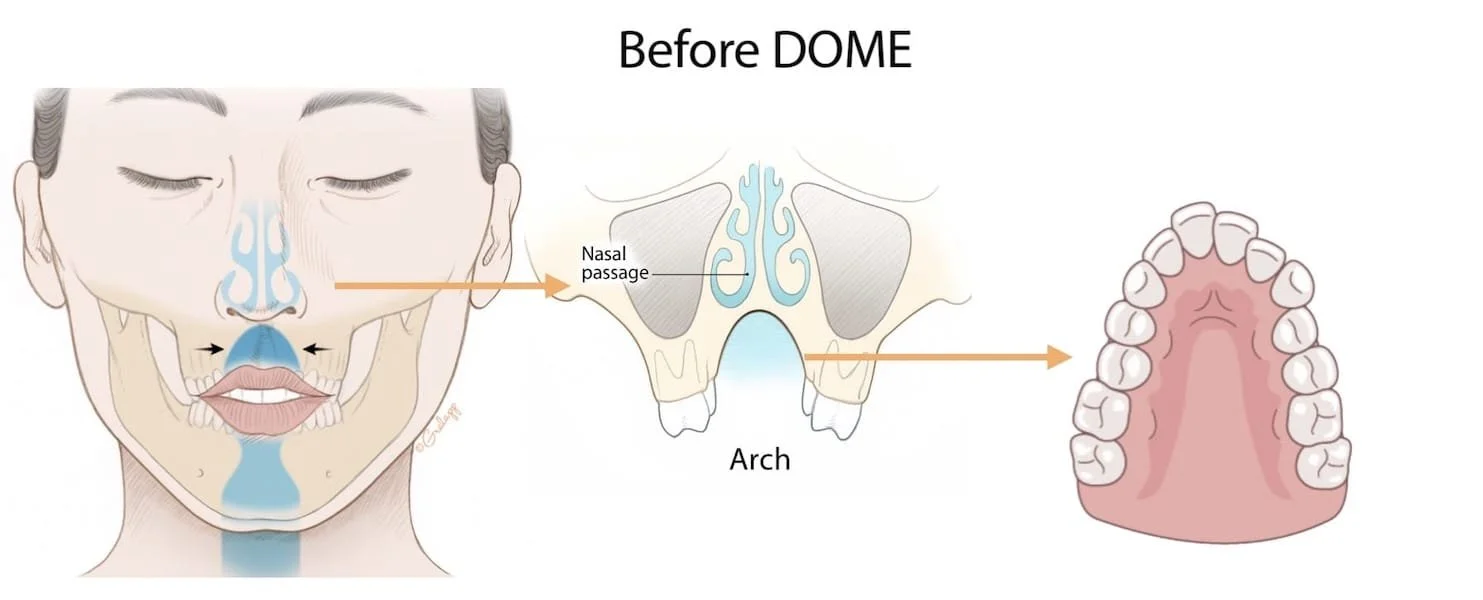
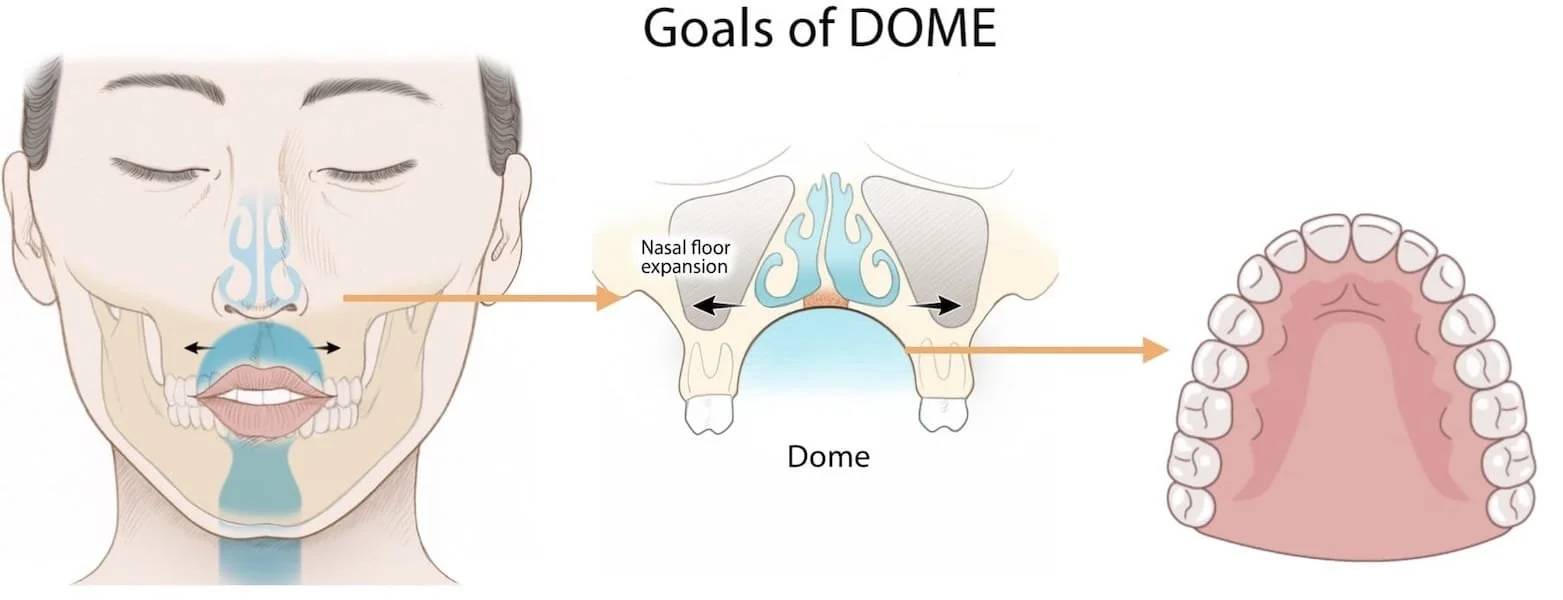
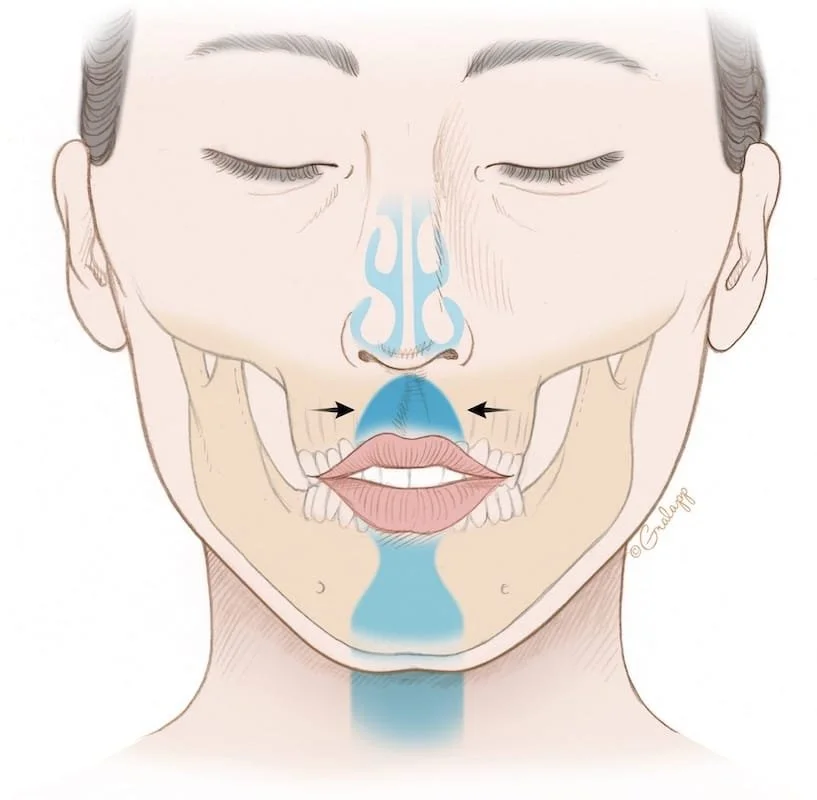
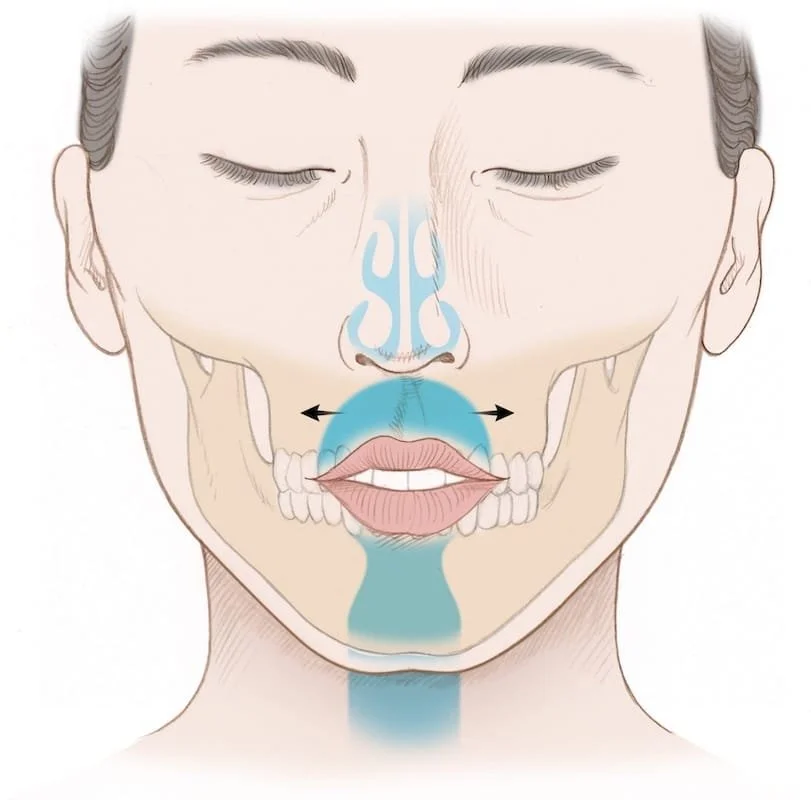
DOME or Distraction Osteogenesis Maxillary Expansion is a modern technique used to gently and gradually widen the upper jaw (maxilla). The goal is to open the nasal passages and enhance the stability of the airway. This improves breathing, particularly during sleep, and helps reduce issues such as snoring or sleep apnea.

How does it work?
DOME works by gradually expanding the upper jaw using a custom-fitted expander anchored directly in the jawbone. As the jaw is widened millimeter by millimeter, new bone forms along the midpalatal suture, filling the created space. This process ensures a stable and lasting improvement in both jaw structure and nasal airflow.

Why is it important?
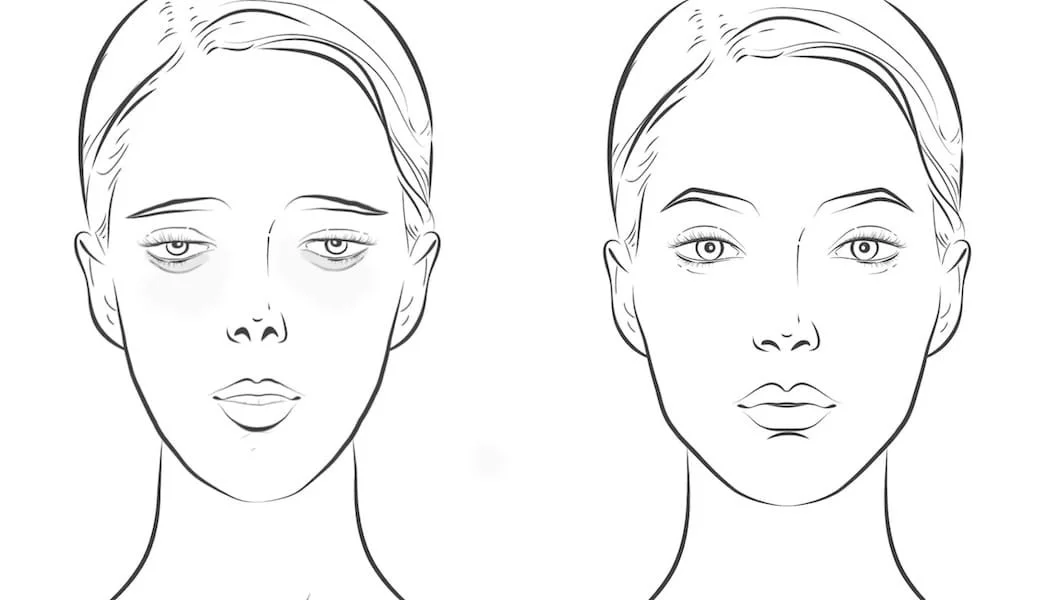
Perhaps you’ve experienced this yourself: When your nose is congested, breathing becomes difficult. This is even more burdensome during sleep, as the body often switches to mouth breathing. This can lead to snoring, poor sleep quality, and leave you feeling tired and unfocused during the day. For individuals with persistently narrow nasal passages, and lack of space for the tongue on the palate - DOME can be the right treatment.
Advantages:
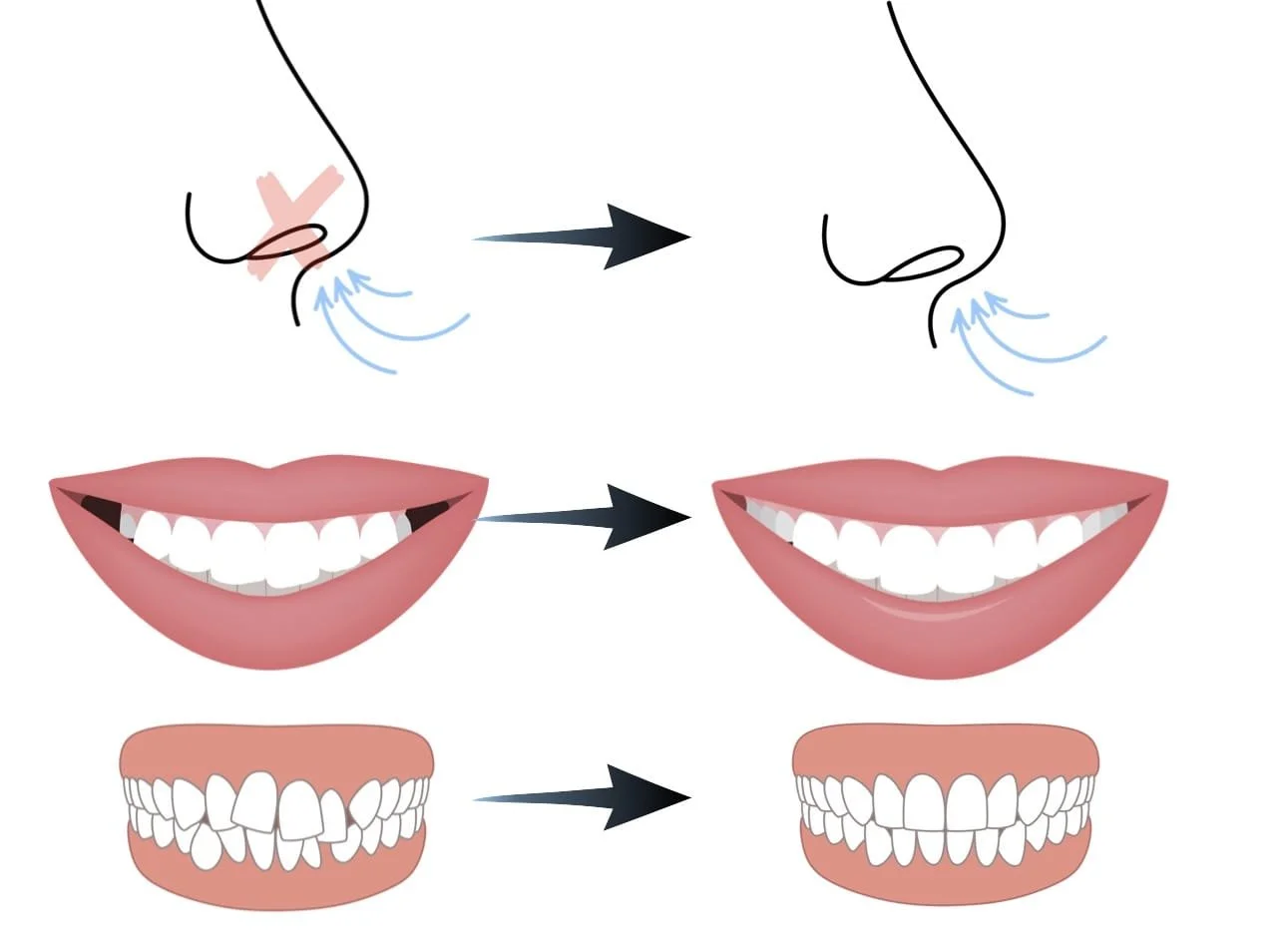
By expanding the upper jaw, DOME improves nasal breathing, promotes restful sleep, and contributes to airway health and overall quality of life. Additionally, it can correct dental alignment and bite, offering both aesthetic and functional benefits.

Is DOME for me?
A narrow upper jaw and the resulting difficulty in nasal breathing are ideally corrected at a young age, as treatment becomes more complex with age. However, DOME is also a viable option for adults —often even without surgical bone cuts.
Adults particularly benefit if they:
want to improve their nasal breathing,
desire a broader, more aesthetic smile,
aim to alleviate sleep-related breathing disorders like snoring or sleep apnea,
are seeking an alternative to CPAP therapy or mandibular advancement devices.
Whether DOME is suitable for you is determined based on detailed diagnosis and often in close consultation with treatment-relevant specialists.
FAQ about DOME
-
The actual expansion of the upper jaw is usually perceived as pressure or a slight pulling sensation but is not typically painful. If discomfort occurs, it can usually be alleviated with pain relievers, though severe pain is rare.
-
The placement of the anchors for the expander is generally well-tolerated. A local anesthetic is used during the procedure, ensuring it is pain-free. Afterward, you may experience slight pressure or headaches, but this typically subsides quickly and can be managed well with pain killers.
-
Thanks to the anchoring of the expander directly in the upper jawbone, the expansion can be performed slowly and in combination with clear aligners. The front teeth are gradually moved into the space where new bone has formed, which prevents the development of a large gap.
-
The expansion of the upper jaw typically takes 4 to 8 months. This is followed by a phase where the bite (occlusion) is precisely adjusted and optimized to ensure optimal jaw function and stability. The total treatment time for adults is typically around 2 years, although it can vary depending on individual cases
-
Whether bone cuts (osteotomies) are necessary cannot always be reliably predicted. After the pubertal growth spurt, the sutures of the upper jaw often fuse, but the degree of fusion varies from person to person. In some cases, targeted stimulation of the sutures (such as through polycyclic activation of the expander) can achieve expansion without the need for bone cuts.
-
After the placement of the anchors, you should take the rest of the day easy and avoid strenuous activities. If bone cuts were performed, you should follow your doctor's recommendations.
-
After successful expansion, the expander typically remains in place for an additional 9-12 months to allow the newly formed bone to fully mineralize. This prevents relapse and ensures that the upper jaw remains stable.